


Top 10 interior styles in Europe right now sets the stage for this enthralling narrative, offering readers a glimpse into a story that is rich in detail and brimming with originality. From minimalist designs to the fusion of traditional and modern elements, this discussion delves into the captivating world of European interior styling.
As we uncover the key elements, color schemes, furniture choices, and historical influences, get ready to be inspired by the diverse design trends shaping modern European homes.
Discuss the top 10 interior styles currently popular in Europe.
Europe is known for its diverse interior design styles that reflect the rich history and culture of each region. From minimalistic Scandinavian design to opulent Baroque interiors, there is a wide range of styles that are currently trending in Europe.
1. Scandinavian Style
Scandinavian interior design is characterized by simplicity, functionality, and minimalism. Key elements include clean lines, neutral colors, natural materials like wood and stone, and plenty of natural light. The color scheme commonly used in Scandinavian interiors includes whites, greys, and light blues to create a sense of calm and serenity.
2. Industrial Style
Industrial style draws inspiration from old factories and warehouses, featuring raw, unfinished materials like exposed brick, metal, and reclaimed wood. The color palette in industrial interiors often includes shades of grey, black, and brown to create a rugged and urban look.
3. Bohemian Style
Bohemian interiors are eclectic and vibrant, combining patterns, textures, and colors from around the world. Key elements include layers of textiles, plants, and unique decor pieces. The color scheme in bohemian style interiors is rich and bold, with jewel tones like deep reds, greens, and purples.
4. Art Deco Style
Art Deco style is characterized by geometric shapes, luxurious materials, and bold colors. Key elements include velvet upholstery, mirrored surfaces, and metallic accents. The color scheme in Art Deco interiors often features rich hues like gold, black, and emerald green.
5. Modern Farmhouse Style
Modern farmhouse style combines rustic elements with modern touches for a cozy and inviting look. Key elements include shiplap walls, barn doors, and vintage accents. The color palette in modern farmhouse interiors includes whites, creams, and muted earth tones.
6. Mid-Century Modern Style
Mid-Century Modern design is characterized by clean lines, organic shapes, and a mix of materials like wood, metal, and plastic. Key elements include iconic furniture pieces like the Eames Lounge Chair and geometric patterns. The color scheme in Mid-Century Modern interiors typically includes bright, bold colors like orange, yellow, and teal.
7. French Country Style
French Country style is elegant and charming, featuring ornate furniture, soft colors, and natural materials. Key elements include distressed wood, floral patterns, and intricate details. The color palette in French Country interiors includes soft pastels like lavender, sage green, and pale yellow.
8. Minimalist Style
Minimalist interiors focus on simplicity, clean lines, and a clutter-free environment. Key elements include neutral colors, sleek furniture, and a lack of unnecessary decorations. The color scheme in minimalist interiors is typically monochromatic, with whites, blacks, and greys dominating the space.
9. Baroque Style
Baroque style is grand and ornate, featuring intricate details, opulent fabrics, and lavish decorations. Key elements include ornate furniture, elaborate chandeliers, and gold accents. The color scheme in Baroque interiors is rich and dramatic, with deep reds, blues, and golds creating a sense of luxury.
10. Coastal Style
Coastal interiors draw inspiration from the sea and nature, featuring light, airy spaces with a relaxed and casual vibe. Key elements include natural materials like wood, rattan, and linen, as well as nautical decor elements. The color palette in coastal interiors includes whites, blues, and sandy neutrals to evoke a beachy feel.
Explore the historical influences on European interior design.
European interior design has been heavily influenced by various historical eras, each leaving its mark on the styles we see today. These influences range from the grandeur of the Renaissance to the simplicity of Scandinavian design.
Renaissance Era
The Renaissance period in Europe, known for its emphasis on art, architecture, and culture, has greatly influenced interior design. Rich fabrics, ornate furniture, and intricate details are often seen in spaces inspired by this era.
Baroque and Rococo Styles
The Baroque and Rococo styles, characterized by opulence, elaborate decoration, and asymmetry, have left a lasting impact on European interior design. These styles are often reflected in grand palaces and luxurious homes.
Industrial Revolution
The Industrial Revolution brought about a shift in design aesthetics, with a focus on functionality and practicality. This era led to the rise of industrial chic interiors, featuring raw materials, exposed pipes, and a utilitarian feel.
Art Nouveau Movement
The Art Nouveau movement, with its emphasis on organic forms and decorative arts, has influenced European interior design with its flowing lines, floral motifs, and natural elements. This style can be seen in the intricate patterns and designs of furniture and decor.
Scandinavian Design
Scandinavian design, known for its simplicity, functionality, and minimalism, has become a prominent influence in modern European interiors. Clean lines, neutral colors, and natural materials are characteristic of this style.
Analyze the impact of sustainability on interior design trends in Europe.
Sustainability has become a crucial factor influencing interior design trends in Europe. With a growing awareness of environmental issues, more and more homeowners are opting for eco-friendly materials and practices in their interior spaces. This shift towards sustainable design is not only beneficial for the planet but also contributes to creating healthier living environments.
Eco-friendly materials and practices used in contemporary European interiors:
- Bamboo: A highly sustainable material that grows quickly and can be used for flooring, furniture, and decor.
- Recycled materials: Using recycled glass, metal, or wood in interior design reduces waste and minimizes the need for new resources.
- Low VOC paints: Volatile organic compounds (VOCs) in paints can be harmful to health and the environment, so many European homes are opting for low VOC or VOC-free paints.
Popularity of sustainable design in modern European homes:
- Many homeowners in Europe are embracing sustainable design not only for its environmental benefits but also for the unique and stylish look it can bring to their interiors.
- Designers and architects are increasingly incorporating sustainable elements into their projects, showcasing a commitment to eco-conscious practices.
How sustainability influences color palettes and textures in interior styling:
- Neutral tones: Earthy colors like greens, browns, and blues are popular in sustainable interior design, reflecting a connection to nature.
- Natural textures: Materials like wood, jute, and wool are commonly used to add warmth and texture to spaces, creating a cozy and inviting atmosphere.
- Organic patterns: Patterns inspired by nature, such as leaf motifs or geometric shapes found in natural formations, are often incorporated into sustainable interior styling.
Delve into the role of technology in shaping interior styles in Europe.
Technology plays a significant role in shaping interior styles in Europe, blending modern advancements with traditional design elements to create functional and aesthetically pleasing spaces.
Smart Home Features in European Interior Designs
Incorporating smart home features has become increasingly popular in European interior designs. From automated lighting and temperature control systems to voice-activated assistants, these technological advancements enhance convenience and efficiency within homes.
Enhancing Functionality and Aesthetics
Technology not only improves the functionality of modern interiors but also enhances their aesthetics. For example, hidden charging stations, integrated sound systems, and sleek touch-screen controls seamlessly blend into the design, offering both practicality and sophistication.
Balancing Tradition and Innovation
European homes strike a balance between traditional design elements and technological advancements. While classic architectural features and timeless furniture styles are preserved, smart technologies are seamlessly integrated to elevate the overall living experience without compromising the aesthetic appeal.
Examine the influence of minimalist design on European interior styles.
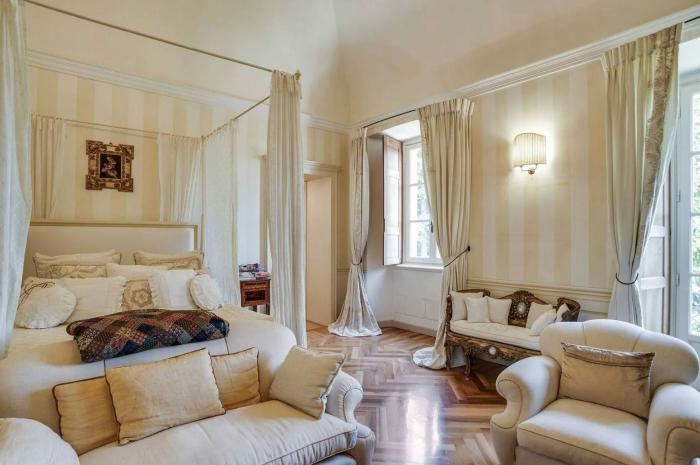
Minimalist design has made a significant impact on European interior styles, emphasizing simplicity, functionality, and clean lines. This design approach has become increasingly popular, influencing contemporary European homes and spaces.
Identify the characteristics of minimalist interiors in Europe.
- Minimalist interiors in Europe often feature a monochromatic color palette, with neutral tones such as white, beige, and grey prevailing.
- Furniture in minimalist interiors is typically sleek and uncluttered, with a focus on functionality and minimal ornamentation.
- Open spaces and natural light are key elements of minimalist design, creating a sense of airiness and tranquility in European homes.
Discuss the use of clean lines and simplicity in contemporary European design.
- Clean lines are a hallmark of minimalist design in Europe, with furniture and architectural elements showcasing straight, simple lines that contribute to a sense of order and harmony.
- Simplicity is key in contemporary European design, with a focus on decluttering spaces and allowing the beauty of the few remaining elements to shine through.
- Less is more in minimalist interiors, with an emphasis on quality over quantity and a commitment to only including essential items in the space.
Explore how minimalism creates a sense of space and light in European homes.
- Minimalist design maximizes space in European homes by eliminating unnecessary clutter and furniture, allowing for an open and unobstructed layout.
- The use of light colors and natural materials in minimalist interiors helps to reflect and amplify natural light, creating a bright and airy atmosphere in European homes.
- Minimalist spaces in Europe often incorporate large windows and strategically placed mirrors to enhance the sense of space and light, making rooms feel larger and more inviting.
Discuss the resurgence of retro and vintage styles in European interiors.
The resurgence of retro and vintage styles in European interiors is a trend that has been gaining momentum in recent years. Homeowners are increasingly looking to the past for design inspiration, seeking to incorporate elements of nostalgia and history into their modern living spaces.
Identify popular retro design elements making a comeback in modern European homes.
- Mid-century furniture: Iconic pieces from the 1950s and 1960s, such as Eames chairs and Danish teak sideboards, are highly sought after for their sleek lines and timeless appeal.
- Vibrant colors and bold patterns: Retro interiors often feature bright hues like mustard yellow, burnt orange, and avocado green, along with geometric prints and bold stripes.
- Retro appliances: Vintage-inspired appliances with a modern twist, like colorful Smeg refrigerators or retro-style record players, add a touch of nostalgia to contemporary kitchens and living rooms.
Explain how vintage pieces are incorporated into contemporary interior styles.
Vintage pieces are seamlessly integrated into contemporary interior styles through a mix-and-match approach. For example, a mid-century modern sofa can be paired with contemporary artwork and minimalist decor for a stylish juxtaposition of old and new. Additionally, vintage rugs, lighting fixtures, and accessories can add character and warmth to modern spaces.
Explore the nostalgia and uniqueness that retro and vintage pieces bring to European interiors.
Retro and vintage pieces bring a sense of nostalgia and uniqueness to European interiors by evoking memories of bygone eras and adding a personal touch to living spaces. These elements not only create visual interest but also tell a story, sparking conversations and creating a cozy, lived-in atmosphere that is both inviting and charming.
Explore the concept of “hygge” and its influence on interior design in Europe.
"Hygge" is a Danish term that encompasses a feeling of coziness, contentment, and well-being. In the context of interior styling, "hygge" focuses on creating a warm and inviting atmosphere that promotes relaxation and comfort. This concept has gained popularity in Europe as people seek to enhance their living spaces with elements that evoke a sense of tranquility and harmony.
Incorporation of natural elements and textures for a “hygge” vibe
In European interior design, the concept of "hygge" has led to a resurgence in the use of natural materials such as wood, stone, and wool. These elements bring a sense of warmth and connection to nature into the home, creating a soothing environment that promotes relaxation.
Textures play a crucial role in achieving a "hygge" vibe, with soft blankets, plush rugs, and tactile fabrics adding layers of comfort and coziness to the space.
Shaping a cozy and welcoming atmosphere with “hygge”
The emphasis on creating a cozy and welcoming atmosphere in European homes through "hygge" has resulted in a shift towards decluttered spaces that prioritize comfort and functionality. Simple, understated furniture pieces, warm lighting, and personal touches like family photos or handmade decor items contribute to a sense of intimacy and homeliness.
The goal is to design spaces that encourage relaxation, social connection, and a sense of well-being.
Impact of “hygge” on interior design trends
The influence of "hygge" on interior design trends in Europe can be seen in the growing popularity of soft, neutral color palettes, natural light, and organic shapes. Scandinavian-inspired design elements, such as clean lines, minimalism, and a focus on simplicity, are often combined with "hygge" principles to create inviting and harmonious interiors.
Overall, the concept of "hygge" has revolutionized the way people approach interior design, emphasizing the importance of creating spaces that nurture the soul and promote a sense of happiness and well-being.
Discuss the fusion of traditional and modern elements in European interior design.
In European interior design, there is a captivating blend of traditional and modern elements that create unique and harmonious spaces. This fusion allows for the incorporation of historical influences into contemporary settings, resulting in a dynamic and eclectic design aesthetic.
Reinterpretation of Traditional European Design Motifs in Contemporary Interiors
In modern European interiors, traditional design motifs are reinterpreted in innovative ways to create a sense of continuity with the past while embracing the present. For example, intricate patterns inspired by historic tapestries may be incorporated into contemporary upholstery fabrics or wallpaper designs.
Traditional craftsmanship techniques, such as intricate woodworking or ceramic artistry, are often combined with sleek modern materials to create a juxtaposition of old and new.
Blending Old-World Charm with Sleek Modern Aesthetics
European homes often blend old-world charm with sleek modern aesthetics by juxtaposing antique furniture pieces with minimalist décor or integrating historic architectural elements with modern finishes. For instance, a historic stone fireplace might be complemented by a minimalist, glass-encased staircase to create a visually striking contrast between the old and the new.
This blending of styles creates a sense of timelessness and sophistication in European interiors.
Balance Between Heritage and Innovation in Current Interior Design Trends
In contemporary European interior design, there is a delicate balance between honoring heritage and embracing innovation. Designers often pay homage to traditional architectural styles, such as Baroque or Rococo, by incorporating ornate detailing or classical proportions into modern interiors. This fusion of heritage elements with cutting-edge design techniques results in spaces that feel both timeless and forward-thinking, appealing to a wide range of tastes and sensibilities.
Analyze the influence of art and culture on interior styles in Europe.
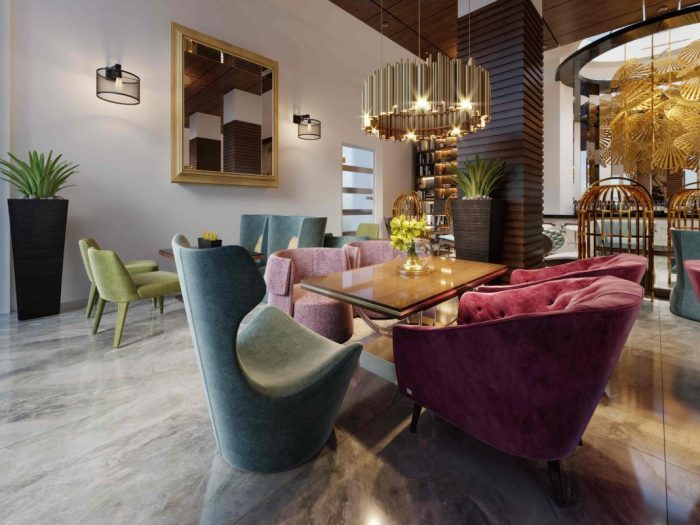
Art and culture play a significant role in shaping interior styles in Europe. From color palettes to patterns, European interiors often reflect the rich history and diverse artistic traditions of the continent. Let's delve into how art and culture influence interior design in Europe.
How art movements influence color palettes and patterns in European interiors
Art movements such as Impressionism, Art Nouveau, and Bauhaus have had a profound impact on European interior design. These movements have introduced new color schemes, patterns, and design concepts that continue to influence contemporary interiors. For example, the vibrant colors and nature-inspired patterns of Art Nouveau can be seen in many modern European spaces, adding a touch of artistic flair and elegance.
Discuss the integration of cultural artifacts and references in modern European design
Modern European design often incorporates cultural artifacts and references to create a sense of heritage and identity. From traditional textiles to iconic furniture pieces, these elements help to tell a story and add a personal touch to interior spaces. By integrating cultural references, designers infuse spaces with a unique charm that reflects the region's rich cultural heritage.
Explore how art and culture contribute to the uniqueness and personalization of interior spaces in Europe
Art and culture contribute to the uniqueness and personalization of interior spaces in Europe by adding depth, character, and a sense of identity. Whether through art pieces, architectural details, or cultural symbols, these elements help to create a space that is not only visually appealing but also emotionally resonant.
By drawing inspiration from art and culture, European interiors become more than just spaces—they become reflections of history, tradition, and individuality.
Delve into the role of natural elements in European interior design.
Natural elements play a crucial role in European interior design, adding warmth, texture, and a sense of connection to the outdoors. The use of materials like wood, stone, and plants not only enhances the aesthetic appeal of spaces but also contributes to a more sustainable and eco-friendly approach to design.
Use of Natural Materials in European Interiors
- Wood: A popular choice for furniture, flooring, and accents, wood brings a sense of natural beauty and warmth to European interiors. From light oak to rich mahogany, different wood types can create varying atmospheres in a space.
- Stone: Whether in the form of marble countertops, slate floors, or exposed brick walls, stone adds a touch of luxury and timelessness to European interiors. Its durability and versatility make it a sought-after material in design.
- Plants: Incorporating greenery into interior spaces not only adds a pop of color but also improves air quality and creates a calming environment. From potted plants to vertical gardens, the use of plants is a growing trend in European design.
Biophilic Design Principles in European Interiors
Biophilic design focuses on creating spaces that mimic nature to enhance well-being and productivity.
- Natural Light: Maximizing natural light through large windows, skylights, and light wells is a common practice in European interior design. Sunlight not only brightens up spaces but also has a positive impact on mood and energy levels.
- Greenery: Introducing elements of nature like living walls, indoor gardens, and biophilic artwork helps bring the outdoors inside, fostering a connection with the natural world and promoting a sense of tranquility.
Impact of Natural Elements on European Interior Ambiance
- Overall Ambiance: The use of natural elements such as wood, stone, and plants creates a harmonious and inviting atmosphere in European interiors. The combination of textures, colors, and organic shapes adds depth and character to spaces.
- Wellness Benefits: Research shows that exposure to natural elements like greenery and sunlight can reduce stress, improve cognitive function, and boost creativity, making them essential components of modern interior design.
Last Word
In conclusion, the top 10 interior styles in Europe right now showcase a blend of tradition, innovation, and artistic expression. From sustainability to retro vibes, each style brings a unique flavor to the European design landscape. Whether you're a design enthusiast or looking to revamp your living space, these trends offer a plethora of ideas to elevate your interior aesthetics.
Query Resolution
What are the key elements of minimalist interior styles in Europe?
The key elements of minimalist interior styles in Europe include clean lines, simplicity, and a focus on functionality.
How does the concept of "hygge" influence interior design in Europe?
The concept of "hygge" shapes a cozy and welcoming atmosphere in European homes by incorporating natural elements and textures.
What role do natural elements play in European interior design?
Natural elements like wood, stone, and plants are commonly used in European interiors to create a harmonious connection with the outdoors.