

Kicking off with How interior design affects mental well-being, this opening paragraph is designed to captivate and engage the readers, setting the tone for a detailed exploration of the topic. From the influence of colors and lighting to the importance of spatial layout, interior design plays a crucial role in shaping our mental health and well-being.
As we delve deeper into the connection between interior design and mental well-being, we uncover the secrets of creating spaces that promote relaxation, enhance productivity, and foster emotional connections. Let's embark on this journey together to understand how our surroundings can significantly impact our mental state.
Importance of Interior Design in Mental Well-being
Interior design plays a crucial role in shaping our mental well-being by creating spaces that promote relaxation, productivity, and overall emotional balance. The design elements used in a space can significantly impact our mood and mental health.
Role of Colors in Interior Design
Colors have a direct influence on our emotions and can evoke different feelings. For example, warm colors like red, orange, and yellow can create a sense of coziness and warmth, while cool colors like blue and green can promote calmness and relaxation.
Using the right color palette in interior design can help in reducing stress and anxiety.
Impact of Lighting on Mental Well-being
Lighting is another crucial element in interior design that can affect our mental health. Natural light has been proven to boost mood, increase productivity, and regulate our circadian rhythms. On the other hand, harsh artificial lighting can cause eye strain, headaches, and fatigue.
By incorporating proper lighting design, we can create spaces that are uplifting and energizing.
Importance of Spatial Layout in Creating a Calming Environment
The spatial layout of a room can have a significant impact on our mental well-being. Cluttered and cramped spaces can lead to feelings of stress and overwhelm, while open and well-organized layouts can promote a sense of peace and clarity.
By optimizing the spatial layout of a space, we can create an environment that supports mental health and overall well-being.
Creating a Calming Environment
Creating a calming environment in interior design is crucial for promoting relaxation and reducing stress levels. By incorporating specific techniques and elements, spaces can be transformed into tranquil havens that positively impact mental well-being.
Incorporating Natural Elements
When designing spaces to promote relaxation, the use of natural elements like plants and water features can make a significant difference. Plants not only add a touch of greenery but also improve air quality and create a sense of vitality.
Water features, such as indoor fountains or aquariums, can introduce soothing sounds and a calming visual appeal. By bringing elements of nature indoors, a tranquil atmosphere is established, enhancing overall well-being.
Decluttering and Organizing Spaces
Decluttering and organizing spaces is another essential technique to create a calming environment. A clutter-free space reduces visual distractions and promotes a sense of order and clarity. By organizing belongings and optimizing storage solutions, individuals can experience a greater sense of control and peace of mind.
Decluttered spaces also facilitate better focus and productivity, contributing to improved mental well-being.
Enhancing Productivity and Creativity
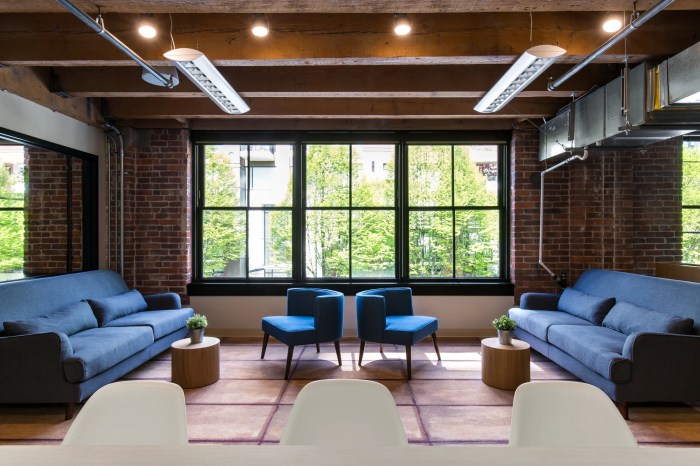
Interior design plays a crucial role in enhancing productivity and fostering creativity in various work or study environments. By creating inspiring spaces that stimulate the mind, individuals can experience an increase in focus, motivation, and innovative thinking
Creating Inspiring Workspaces
When designing workspaces or study areas to boost productivity and creativity, consider the following tips:
- Maximize natural light to improve mood and energy levels.
- Incorporate plants and greenery to enhance air quality and reduce stress.
- Choose colors wisely, as different hues can impact emotions and cognitive functions.
- Organize and declutter the space to minimize distractions and promote a clear mind.
Importance of Ergonomics
Ergonomics plays a vital role in creating a comfortable and supportive environment that enhances performance. Consider the following factors when selecting furniture and designing the layout:
- Invest in ergonomic chairs and desks to support proper posture and reduce the risk of musculoskeletal issues.
- Adjust the height of work surfaces to prevent strain on the neck, back, and shoulders.
- Provide adequate lighting to reduce eye strain and improve focus.
- Utilize storage solutions to keep the space organized and clutter-free.
Personalization and Emotional Connection
Personalization of interior spaces plays a crucial role in enhancing mental well-being. By incorporating personal items and meaningful decor, individuals can create a sense of belonging and establish an emotional connection with their surroundings.
Importance of Personalization
- Personal items such as photographs, artwork, or souvenirs can evoke positive memories and emotions, promoting a sense of comfort and familiarity.
- Meaningful decor choices, such as colors or textures that hold significance, can have a calming effect and contribute to emotional well-being.
- Customizing spaces to reflect one's personality and preferences can increase overall satisfaction and happiness, leading to improved mental health.
Final Wrap-Up
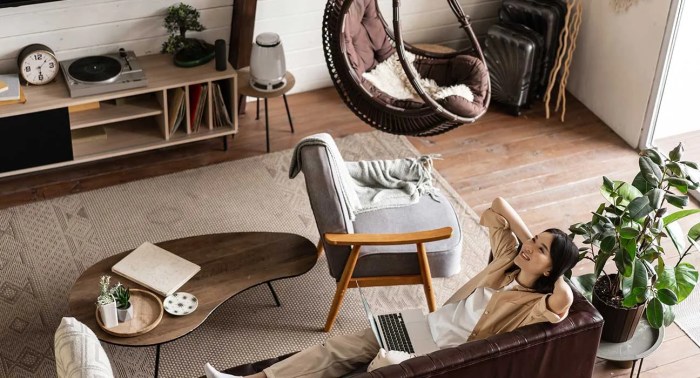
In conclusion, the impact of interior design on mental well-being cannot be overstated. By paying attention to design elements, creating calming environments, enhancing productivity, and fostering emotional connections, we can truly transform our living spaces into havens of mental wellness.
Let's continue to explore the profound influence of interior design on our everyday lives and well-being.
Question & Answer Hub
How can specific design elements influence mood and well-being?
Specific design elements such as colors, lighting, and spatial layout can impact mood and well-being by creating either a calming or stimulating environment.
What techniques can be used to design spaces that promote relaxation and reduce stress?
Techniques like incorporating natural elements, decluttering, and organizing spaces can help in designing environments that promote relaxation and reduce stress.
Why is personalizing spaces important for mental well-being?
Personalizing spaces with meaningful decor and personal items can create a sense of belonging and emotional connection, positively impacting mental well-being.

