

Exploring the world of fire-resistant siding materials for homes in dry zones unveils a plethora of options and considerations. From safeguarding your home against potential fire hazards to enhancing its aesthetic appeal, this guide delves into the realm of innovative solutions and sustainable choices.
Delving deeper, we will uncover the types of fire-resistant siding materials available, discuss installation and maintenance best practices, analyze environmental impacts, and explore design possibilities. Let's navigate through this essential aspect of home protection with a focus on dry zones.
Types of Fire-Resistant Siding Materials
When it comes to choosing fire-resistant siding materials for homes in dry zones, there are several options available. These materials are designed to withstand high temperatures and reduce the risk of fire damage to your home.
Fiber Cement Siding
- Fiber cement siding is a popular choice for fire resistance due to its non-combustible nature.
- It is made from a mixture of cement, sand, and cellulose fibers, providing excellent durability against fire.
- Although it may be more expensive upfront, fiber cement siding is considered cost-effective in the long run due to its low maintenance requirements and longevity.
Metal Siding
- Metal siding, such as steel or aluminum, is another fire-resistant option for homes in dry zones.
- These materials have a high melting point, making them less susceptible to ignition in case of a fire.
- While the initial cost of metal siding may be higher, it is durable and requires minimal maintenance, making it a cost-effective choice over time.
Stone Veneer Siding
- Stone veneer siding offers a natural and rustic look while providing excellent fire resistance.
- It is made from a thin layer of stone attached to a backing material, offering the appearance of solid stone without the weight.
- Although stone veneer siding can be more expensive than other options, its fire-resistant properties and aesthetic appeal make it a desirable choice for homeowners.
Installation and Maintenance
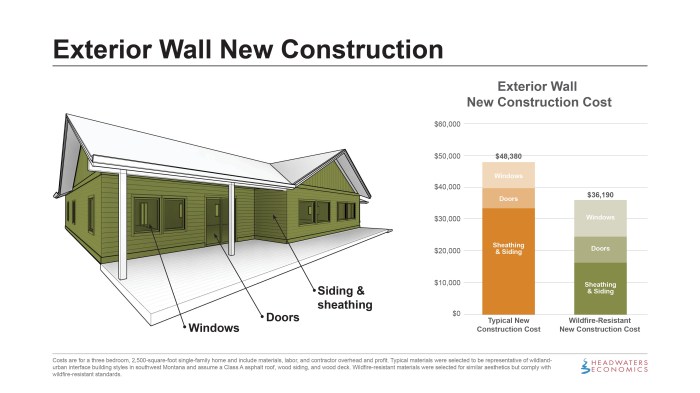
Installing fire-resistant siding materials is crucial in dry zones to protect homes from potential fire hazards. Proper maintenance is equally important to ensure the longevity and effectiveness of these materials. Here is a step-by-step guide on how to install fire-resistant siding materials and some tips on maintenance for homeowners in dry zones.
Installation of Fire-Resistant Siding Materials
- Start by preparing the surface where the siding will be installed, ensuring it is clean and free from any debris.
- Measure and cut the siding materials according to the dimensions of the area, making sure to leave room for expansion and contraction.
- Secure the siding in place using appropriate fasteners, following the manufacturer's guidelines for spacing and placement.
- Seal any gaps or joints to prevent moisture infiltration and ensure a tight fit.
- Inspect the installation to ensure proper alignment and secure attachment to the structure.
Importance of Proper Maintenance
- Regularly inspect the siding for any signs of damage, such as cracks, warping, or charring.
- Clean the siding periodically to remove dirt, debris, and any flammable materials that could pose a fire risk.
- Reapply any protective coatings or treatments as recommended by the manufacturer to maintain the fire-resistant properties of the siding.
- Trim any vegetation around the siding to prevent it from coming into contact with the material and potentially igniting during a fire.
Tips for Homeowners in Dry Zones
- Regularly inspect the exterior of your home, including the siding, to catch any issues early and prevent potential fire hazards.
- Keep a safe distance between any flammable materials, such as firewood or propane tanks, and the siding to reduce the risk of fire spreading.
- Consider investing in fire-resistant landscaping around your home to create a buffer zone that can help protect your property in case of a wildfire.
- Educate yourself and your family on fire safety practices and have a plan in place in case of an emergency.
Environmental Impact and Sustainability
When it comes to using fire-resistant siding materials in homes located in dry zones, it is crucial to consider the environmental impact and sustainability of these materials. Let's delve into how these factors play a role in choosing the right siding for your home.
Environmental Impact of Fire-Resistant Siding
- Fire-resistant siding materials can help reduce the risk of wildfires spreading to homes, thus protecting the environment from the devastating effects of fires.
- Some fire-resistant siding materials are manufactured using eco-friendly processes and recycled materials, further minimizing their environmental impact.
- However, the production and transportation of these materials may still contribute to carbon emissions and energy consumption, which should be taken into account.
Sustainability of Different Siding Materials
- Wood-based fire-resistant siding materials, such as treated cedar or redwood, can be sustainable if sourced from responsibly managed forests and treated with eco-friendly preservatives.
- Fiber cement siding, made from a mixture of cement, sand, and cellulose fibers, is durable and low-maintenance, reducing the need for frequent replacements and minimizing waste.
- Recycled metal siding, such as steel or aluminum, offers a sustainable option as it can be recycled at the end of its lifespan, reducing the impact on landfills.
Eco-Friendly Options for Fire-Resistant Siding
- Bamboo siding is a renewable and fast-growing material that can be used as an eco-friendly alternative for fire-resistant siding in dry zones.
- Composite siding, made from a blend of recycled wood fibers and plastic, provides a sustainable option that mimics the look of traditional wood siding without the maintenance requirements.
- Cork siding, derived from the bark of cork oak trees, is a natural and renewable material that offers fire resistance and insulation properties, making it an eco-friendly choice for siding.
Design and Aesthetics
When it comes to fire-resistant siding materials, the focus is often on safety and durability. However, these materials also offer a wide range of design options that can enhance the overall look of a home.Fire-resistant siding materials come in various colors, textures, and styles, providing homeowners with the opportunity to customize the exterior of their homes to suit their preferences and architectural style.
Whether you prefer a modern, sleek look or a more traditional appearance, there are fire-resistant siding options available to complement any design aesthetic.
Enhancing Curb Appeal
Fire-resistant siding can greatly enhance the curb appeal of homes by adding visual interest and sophistication. For example, fiber cement siding can mimic the look of natural wood without the risk of fire damage, providing a warm and inviting facade.
Additionally, metal siding offers a contemporary and industrial aesthetic that can make a bold statement.When choosing fire-resistant siding for your home, consider the architectural style of your property. For a colonial or Victorian-style home, consider options like fiber cement siding with decorative trims to maintain the historical charm.
On the other hand, a modern or minimalist home may benefit from the clean lines and sleek finish of metal siding.Overall, selecting the right fire-resistant siding material based on the architectural style of your home can elevate its appearance while providing the necessary protection against fire hazards.
Final Review
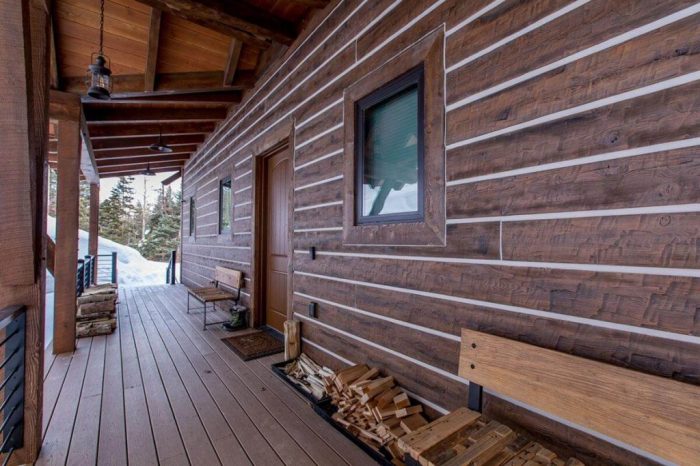
In conclusion, fire-resistant siding materials offer a blend of functionality, style, and sustainability for homes in dry zones. By choosing the right materials and following proper installation and maintenance procedures, homeowners can fortify their homes against fire risks while adding a touch of elegance.
Embrace the world of fire-resistant siding and elevate your home's safety and beauty simultaneously.
FAQ Insights
Are fire-resistant siding materials more expensive than traditional siding options?
While fire-resistant siding materials may have a higher upfront cost, their durability and added safety benefits often outweigh the initial investment.
Can fire-resistant siding materials be painted or customized to match different home styles?
Yes, many fire-resistant siding materials are paintable and come in various styles and colors to complement different architectural designs.
Do fire-resistant siding materials require special maintenance in dry zones?
Regular cleaning and inspections are recommended to ensure the effectiveness of fire-resistant siding materials, especially in dry climates prone to wildfires.

