

When it comes to coastal living, finding the best siding that can withstand moisture is crucial. From fiber cement to vinyl and engineered wood, each material has its own set of advantages and drawbacks in coastal environments. Let's explore the top picks for moisture-resistant siding and how they fare against the elements near the coast.
Types of siding suitable for coastal homes
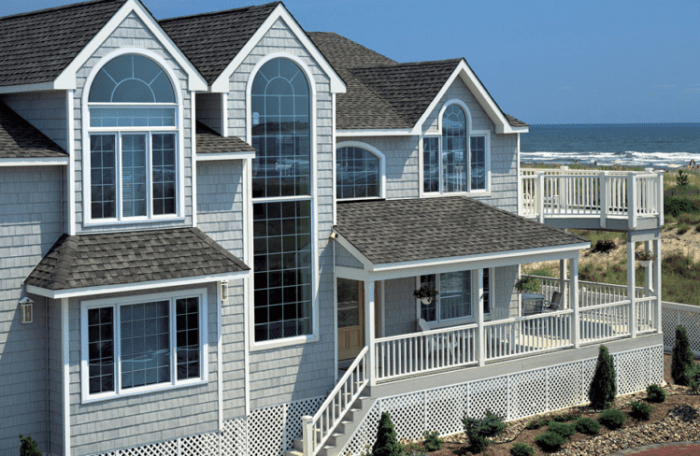
When it comes to choosing siding for coastal homes, it is crucial to consider materials that can withstand high moisture levels and harsh weather conditions. Here are some siding options known for their moisture-resistant properties:
Vinyl Siding
- Pros: Affordable, low maintenance, resistant to rot and insect damage.
- Cons: Can crack or fade over time, limited color options.
Fiber Cement Siding
- Pros: Durable, fire-resistant, low maintenance, resistant to rot and insects.
- Cons: Higher cost upfront, heavy and may require professional installation.
Cedar Siding
- Pros: Natural beauty, resistant to decay and insects.
- Cons: Requires regular maintenance, can be prone to mold and mildew in moist climates.
Engineered Wood Siding
- Pros: Mimics the look of real wood, more moisture-resistant than natural wood.
- Cons: May still require maintenance, can be susceptible to moisture if not properly installed or maintained.
Choosing siding that can withstand high moisture levels near the coast is essential to prevent damage and prolong the lifespan of your home. Consider the climate and specific conditions of your coastal area when selecting the most suitable siding material for your home.
Fiber Cement Siding
Fiber cement siding is a popular choice for coastal homes due to its exceptional durability and resistance to moisture. Made from a mixture of wood fiber, sand, and cement, this material is known for its ability to withstand harsh coastal conditions.
Features of Fiber Cement Siding
- Highly durable and long-lasting, even in coastal environments with high moisture levels.
- Resistant to rot, insects, and fire, making it a low-maintenance option for homeowners.
- Available in a variety of styles and colors to suit the aesthetic preferences of coastal homes.
Comparison with Other Materials
- Compared to wood siding, fiber cement siding is more resistant to moisture and rot, making it a better choice for coastal homes.
- When compared to vinyl siding, fiber cement is more durable and can better withstand the harsh conditions of coastal living.
Examples of Coastal Homes with Fiber Cement Siding
Coastal homes with fiber cement siding have proven to be a wise choice in moist conditions. The siding's ability to resist moisture and maintain its structural integrity has helped protect these homes from the elements. Examples include beachfront properties in areas prone to heavy rain and saltwater exposure, where fiber cement siding has shown its resilience over time.
Vinyl Siding
Vinyl siding is a popular choice for coastal homes due to its durability and resistance to high humidity and salt exposure.
Performance in Coastal Areas
Vinyl siding performs well in coastal areas with high humidity and salt exposure as it is resistant to moisture, rot, and corrosion. It does not warp, crack, or peel, making it ideal for withstanding the harsh coastal conditions.
Maintenance Requirements
When it comes to maintenance, vinyl siding is relatively low maintenance in coastal regions. Regular cleaning with a mixture of water and mild detergent can help prevent mold and mildew growth. Inspecting for any cracks or damage and replacing any damaged panels promptly can also help maintain the siding's integrity.
Quality Selection Tips
When selecting vinyl siding for optimal moisture resistance in coastal areas, it is essential to choose high-quality vinyl siding with a thicker profile. Thicker siding tends to be more durable and resistant to impacts from debris carried by strong coastal winds.
Additionally, look for vinyl siding with UV protection to prevent fading and discoloration from prolonged sun exposure.
Engineered Wood Siding
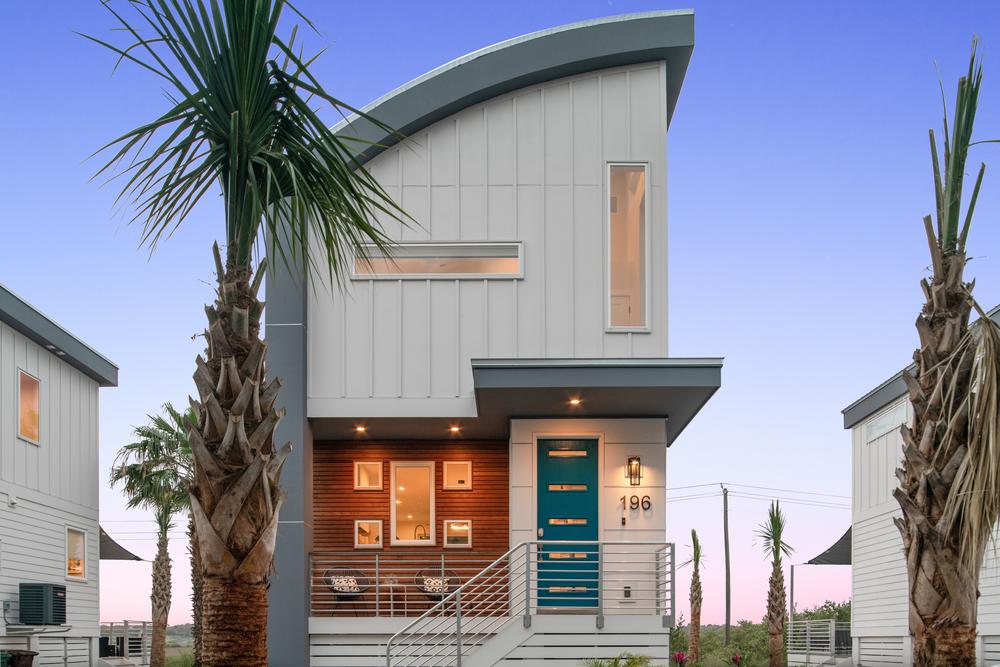
Engineered wood siding is a popular choice for coastal homes due to its durability and resistance to moisture. This type of siding is made from wood fibers and resin, compressed into a solid board that mimics the look of natural wood.
Characteristics of Engineered Wood Siding
- Highly resistant to moisture, making it ideal for coastal environments where humidity levels are high.
- Durable and long-lasting, with minimal warping or rotting compared to traditional wood siding.
- Available in a variety of styles and finishes to suit different architectural preferences.
Installation Process and Maintenance Needs
- Engineered wood siding can be installed using similar techniques as traditional wood siding, but it is often lighter and easier to work with.
- Proper installation is crucial to ensure the siding's longevity and resistance to moisture infiltration.
- Maintenance involves periodic cleaning and inspections to prevent mold or mildew growth and to address any damage promptly.
Longevity in Coastal Climates
- When properly installed and maintained, engineered wood siding can last for decades in coastal climates.
- Regular inspections and repairs can help prolong the lifespan of the siding, even in areas with high humidity and salt exposure.
- Choosing a reputable manufacturer and ensuring proper ventilation around the siding can also contribute to its longevity.
Closing Notes
In conclusion, choosing the right siding for your coastal home is a decision that requires careful consideration. By opting for moisture-resistant options like fiber cement, vinyl, or engineered wood, you can ensure that your home remains protected and looking its best for years to come.
Make an informed choice and enjoy the beauty of coastal living with durable siding that stands up to the challenges of the sea.
Expert Answers
Can I use regular siding for my coastal home?
It's not recommended as regular siding may not hold up well against the moisture levels near the coast. Opt for moisture-resistant options like fiber cement, vinyl, or engineered wood.
How often do I need to maintain vinyl siding in a coastal area?
For vinyl siding in coastal regions, regular cleaning and inspections are recommended to prevent salt buildup and maintain its appearance and durability.
Is engineered wood siding durable in moisture-rich coastal climates?
Engineered wood siding is designed to withstand moisture, making it a durable choice for coastal homes. Proper installation and maintenance can help extend its longevity.

