

Starting off with Siding maintenance tips to extend lifespan, this opening paragraph aims to captivate and engage the readers, providing a brief overview of the importance of maintaining siding for its durability and longevity.
Exploring various cleaning techniques, inspection and repair practices, protection against elements, and seasonal maintenance schedules, this article delves into essential tips to help homeowners prolong the lifespan of their siding.
Importance of Siding Maintenance
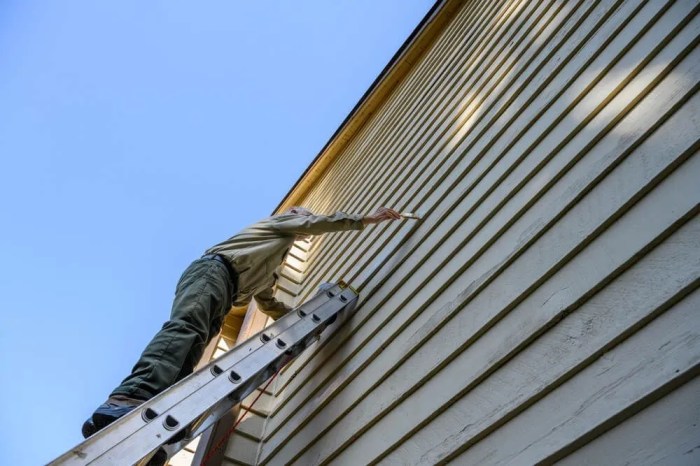
Regular maintenance of siding is essential to prolong its lifespan and ensure its overall performance. By taking care of your siding, you can prevent costly repairs or premature replacement, saving you time and money in the long run.Neglecting siding maintenance can have a significant impact on its durability.
Without proper care, siding can become damaged, warped, or faded due to exposure to harsh weather conditions, pests, or moisture. This can not only affect the aesthetic appeal of your home but also compromise its structural integrity.
Common Issues from Lack of Proper Siding Maintenance
- Water damage: Failure to maintain siding can lead to water seeping behind the panels, causing rot, mold, and mildew to develop.
- Pest infestation: Gaps or cracks in the siding can provide entry points for insects, rodents, and other pests to invade your home.
- Fading and discoloration: UV rays from the sun can cause siding to fade and lose its vibrancy over time if not properly maintained.
- Structural damage: Neglected siding can compromise the structure of your home, leading to issues like warping, buckling, or even leaks.
Cleaning Techniques
Cleaning your siding regularly is essential to maintain its appearance and extend its lifespan. Different types of siding materials require specific cleaning methods to prevent damage and keep them looking their best.
Cleaning Vinyl Siding
- Start by rinsing the siding with a garden hose to remove loose debris.
- Mix a solution of water and mild detergent in a bucket.
- Use a soft-bristled brush or a cloth to scrub the siding gently in a circular motion.
- Rinse the siding thoroughly with clean water to remove soap residue.
Cleaning Wood Siding
- Avoid using high-pressure washers on wood siding, as they can cause damage.
- Mix a solution of water and oxygen bleach to clean mold and mildew stains.
- Gently scrub the wood siding with a soft brush in the direction of the grain.
- Rinse the siding with water and let it dry completely before applying any sealant or paint.
Cleaning Fiber Cement Siding
- Use a mixture of water and mild detergent to clean fiber cement siding.
- Gently scrub the siding with a soft brush or cloth to remove dirt and grime.
- Rinse the siding thoroughly with clean water to ensure all soap residue is removed.
- Avoid using abrasive cleaners or tools that can scratch the surface of the siding.
DIY cleaning solutions can be effective for routine maintenance, but for tough stains or extensive cleaning, commercial cleaners specifically formulated for each siding material may provide better results.
Inspection and Repair
Regularly inspecting your siding for damage or wear is crucial to maintaining its lifespan and protecting your home from potential issues. By identifying and addressing minor damages promptly, you can prevent more significant problems down the line.
Key Signs of Damage
- Cracks or holes in the siding
- Warped or buckling panels
- Faded or peeling paint
- Mold or mildew growth
- Rust or corrosion on metal siding
Repair Best Practices
When it comes to repairing minor damages to your siding, the following best practices can help prevent further issues:
- Replace damaged or missing pieces of siding promptly to maintain the integrity of your home's exterior.
- Use appropriate materials and techniques for the type of siding you have to ensure a proper repair.
- Address any underlying issues that may have caused the damage, such as moisture intrusion or pest infestations.
- Regularly clean and maintain your siding to prevent dirt and debris buildup that can lead to damage over time.
Protection Against Elements
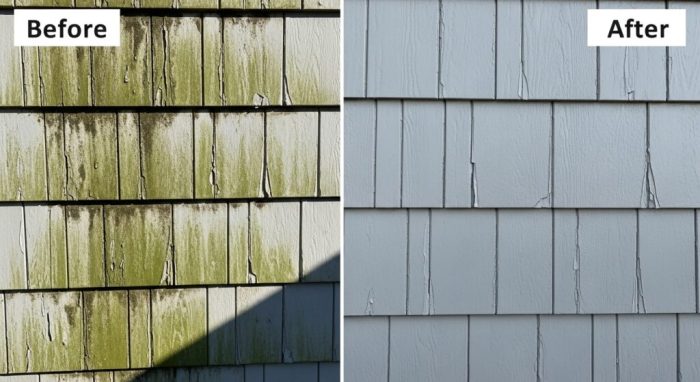
To protect your siding from harsh weather conditions such as rain, snow, and UV rays, it is essential to take proactive measures. By implementing the right strategies, you can extend the lifespan of your siding and maintain its appearance for years to come.
Role of Sealants, Paints, and Coatings
Adding sealants, paints, and coatings to your siding can act as a protective barrier against the elements. Sealants help to prevent moisture from seeping into the siding, which can cause damage over time. Paints not only enhance the aesthetic appeal of your siding but also provide an additional layer of protection against UV rays.
Coatings, such as waterproof coatings, can further strengthen the siding's resistance to weather damage.
Benefits of Extra Protective Layers
By adding extra protective layers to your siding, you can significantly increase its durability and longevity. These additional layers serve as a shield, guarding the siding against extreme weather conditions and environmental factors. Investing in protective measures upfront can save you time and money on repairs and replacements in the long run.
Seasonal Maintenance
Proper seasonal maintenance is essential for keeping your siding in top condition throughout the year. By following a maintenance schedule and performing specific tasks in each season, you can extend the lifespan of your siding and protect it against the elements.
Spring Maintenance
In the spring, it is important to inspect your siding for any damage that may have occurred during the winter months. Look for cracks, holes, or signs of moisture damage. Clean the siding using a mild detergent and water to remove dirt, mold, and mildew.
Check the caulking around windows and doors and replace any damaged areas to prevent water infiltration.
Summer Maintenance
During the summer, check for any signs of warping or fading on your siding. Trim back any bushes or trees that are too close to the siding to prevent damage. Wash the siding with a pressure washer to remove dirt and grime.
Inspect the paint or finish on your siding and touch up any areas that are peeling or chipped.
Fall Maintenance
In the fall, clean out gutters and downspouts to prevent water from overflowing and causing damage to your siding. Inspect the siding for any cracks or gaps where pests could enter. Seal any openings with caulk or foam insulation. Consider applying a fresh coat of sealant or paint to protect the siding during the winter months.
Winter Maintenance
During the winter, it is important to keep snow and ice away from the siding to prevent damage. Use a snow rake to safely remove snow from the roof and siding. Check for any signs of moisture or water damage and address any issues promptly.
Keep an eye out for ice dams that could cause water to seep into the siding and take steps to prevent them.
Wrap-Up
Wrapping up the discussion on Siding maintenance tips to extend lifespan, it's clear that regular upkeep and proper care are key factors in ensuring the longevity of siding. By following the tips Artikeld in this article, homeowners can effectively extend the lifespan of their siding and maintain the overall aesthetic appeal of their homes.
Quick FAQs
How often should I inspect my siding for damage?
It is recommended to inspect your siding at least once a year, preferably before and after extreme weather conditions.
Can I use bleach to clean vinyl siding?
While bleach can effectively clean vinyl siding, it is important to dilute it properly to prevent damage. Alternatively, there are specialized cleaners available for vinyl siding.
What is the best way to protect siding from UV rays?
Applying a UV-resistant sealant or paint can help protect siding from harmful UV rays, prolonging its lifespan.

