

Exploring the world of siding colors that add value to your home opens up a realm of possibilities. From classic neutrals to bold statements, each color choice can transform your home's aesthetic and financial worth. Let's delve into the colors that not only enhance curb appeal but also boost overall property value.
As we navigate through the realm of siding colors, we'll uncover the secrets behind selecting the perfect hue to elevate your home to new heights of sophistication and desirability.
Factors influencing the choice of siding colors
Choosing the right siding color for your home can have a significant impact on its curb appeal and overall value. The color of your siding can enhance the architectural features of your house, create a welcoming atmosphere, and make a lasting impression on visitors and potential buyers.
Several factors should be considered when selecting siding colors to ensure that they complement your home's style and surroundings.
Architectural Style Considerations
When choosing siding colors, it's essential to consider the architectural style of your home. Different architectural styles have specific color palettes that work best to highlight their unique characteristics. For example, a Victorian-style home might look stunning with vibrant and bold colors, while a modern minimalist house might benefit from neutral or monochromatic tones.
By selecting siding colors that match the architectural style of your home, you can enhance its overall aesthetic appeal and increase its value.
Regional Climate and Surroundings Influence
The regional climate and surroundings of your home can also play a crucial role in determining the best siding colors. In areas with extreme weather conditions, such as intense sunlight or heavy rainfall, certain colors may fade or show wear more quickly.
Additionally, the surrounding environment, such as neighboring houses, landscaping, and natural features, can impact how your chosen siding colors will complement or clash with the surroundings. By taking into account the regional climate and surroundings, you can select siding colors that not only look beautiful but also withstand the elements and harmonize with the environment.
Popular siding colors for increasing home value
When it comes to increasing the value of your home, choosing the right siding color can make a significant difference. Certain colors have been shown to attract potential buyers and boost curb appeal, ultimately leading to a higher selling price.
Let's explore some popular siding colors that are known to increase home value.
Trending Siding Colors
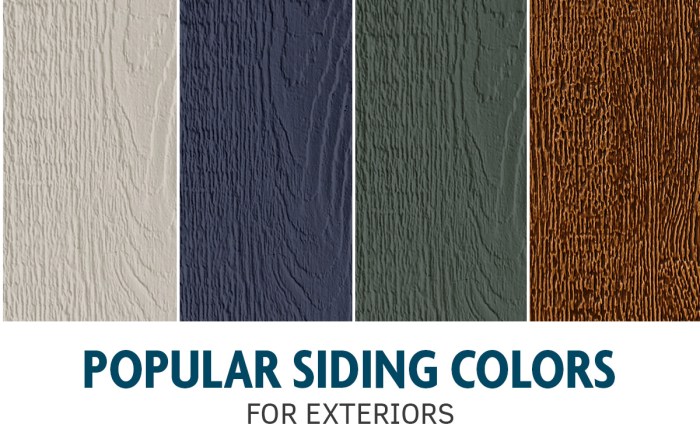
- Gray: Gray is a versatile and modern color that has become increasingly popular in recent years. It gives off a sophisticated and timeless look, appealing to a wide range of buyers.
- Blue: Blue siding can evoke a sense of tranquility and calmness, making it a popular choice for many homeowners. It can also make a house stand out in a sea of neutral colors.
- Beige: Beige is a classic and neutral color that never goes out of style. It can create a warm and inviting appearance, which is highly appealing to potential buyers.
Keep in mind that the psychological effects of colors can play a significant role in how potential buyers perceive a home. Choosing the right color can evoke certain emotions and create a lasting impression.
Stand Out in the Real Estate Market
- Black: While black siding may seem bold, it can make a house look sleek and modern. When paired with the right accents, black siding can create a striking contrast that sets a home apart from others in the neighborhood.
- Green: Green siding can give off a sense of harmony and connection to nature. It can be a refreshing choice that appeals to environmentally-conscious buyers and those looking for a unique touch.
- White: White siding exudes cleanliness and simplicity, making a house look fresh and well-maintained. It can also make a home appear larger and more inviting to potential buyers.
Matching siding colors with architectural styles
When it comes to choosing siding colors for your home, it's essential to consider the architectural style of your house
Creating a harmonious color scheme
To create a harmonious color scheme between siding, trim, and accents, follow these guidelines:
- Choose a siding color that complements the architectural style of your home. For example, neutral tones like beige or gray work well for modern homes, while earthy tones like brown or green are suitable for craftsman-style houses.
- Coordinate the color of your siding with the trim color to create a cohesive look. The trim color should either contrast or complement the siding color, depending on the desired aesthetic.
- Consider adding accents in a different color to highlight architectural features. This can add visual interest and dimension to your home's exterior.
Impact of contrasting or complementary colors
The choice of contrasting or complementary colors can significantly impact the overall aesthetic appeal of your home:
- Contrasting colors create a bold and striking look, drawing attention to specific areas of your home. For example, pairing a dark siding color with a light trim color can create a dramatic effect.
- Complementary colors, on the other hand, create a more harmonious and balanced appearance. Choosing colors that are opposite each other on the color wheel can result in a pleasing color combination.
Maintaining siding colors for long-term value
Maintaining the vibrancy and integrity of siding colors is crucial for preserving the value of your home over time. By following best practices and investing in high-quality materials, you can ensure that your siding colors remain fresh and appealing for years to come.
Role of high-quality paint or materials
Using high-quality paint or materials when initially choosing your siding colors can have a significant impact on their long-term retention. Quality products are more resistant to fading, chipping, and other forms of wear and tear, ensuring that your siding colors stay looking vibrant and attractive.
Regular cleaning and maintenance
Regular cleaning and maintenance are essential for preserving the value associated with siding colors. By regularly washing your siding and addressing any issues promptly, you can prevent dirt, grime, and damage from accumulating and affecting the appearance of your home.
Additionally, inspecting your siding for any signs of wear and tear can help you address issues early on and prevent them from escalating.
Final Thoughts
In conclusion, choosing the right siding color is not just about paint; it's about crafting a narrative for your home that speaks to potential buyers and increases its market value. By understanding the impact of color on architecture and psychology, you can make informed decisions that will set your home apart in the competitive real estate landscape.
FAQ Overview
How do siding colors affect curb appeal?
Siding colors can either enhance or detract from a home's curb appeal, influencing its overall attractiveness and value.
What are some trending siding colors for increasing home value?
Some popular siding colors that can boost home value include shades of gray, blue, and earth tones.
How can siding colors be matched with different architectural styles?
To match siding colors with architectural styles, consider the design elements of the house and aim for a harmonious color scheme.
What are the best practices for maintaining siding colors for long-term value?
Regular cleaning, using high-quality paint, and proper maintenance are key to preserving the vibrancy and integrity of siding colors over time.

