

As we delve into the world of exterior siding trends in the US and Europe, a fascinating journey unfolds before us. From innovative designs to sustainable choices, this topic offers a unique perspective on how different regions approach siding materials.
Let's explore the popular types of siding materials, design trends, and the influence of technology on this ever-evolving industry.
US Exterior Siding Trends
In the United States, exterior siding plays a crucial role in both protecting homes from the elements and enhancing their aesthetic appeal. Let's explore some popular types of exterior siding materials used in the US and how climate variations influence these choices.
Popular Types of Exterior Siding Materials
- Vinyl Siding: Vinyl siding is one of the most commonly used materials in the US due to its affordability, low maintenance, and wide range of colors and styles.
- Fiber Cement Siding: Fiber cement siding offers durability, resistance to insects and rot, and the ability to mimic the look of wood or stucco.
- Wood Siding: Wood siding provides a natural and timeless look, with options like cedar, pine, and redwood offering different aesthetics and levels of maintenance.
- Brick Siding: Brick siding is known for its durability, energy efficiency, and classic appeal, adding a sense of permanence to a home.
Innovative Designs in US Exterior Siding
- Modern Vertical Siding: Vertical siding is gaining popularity for its contemporary and sleek look, offering a unique alternative to traditional horizontal siding.
- Mixed Material Combinations: Combining different siding materials like wood and metal or brick and stucco can create a visually striking and modern facade.
- Textured Finishes: Textured siding options, such as shingles or shakes, add depth and visual interest to a home's exterior.
Impact of Climate Variations on Exterior Siding Choices
- Coastal Regions: In coastal areas prone to high moisture and salt exposure, materials like vinyl or fiber cement are preferred for their resistance to water damage.
- Hot and Dry Climates: In regions with hot and dry climates, materials like stucco or brick are popular for their ability to regulate temperature and withstand intense sunlight.
- Cold and Snowy Regions: For areas with harsh winters, insulated siding options like fiber cement or wood provide additional protection against cold temperatures and snow accumulation.
European Exterior Siding Trends
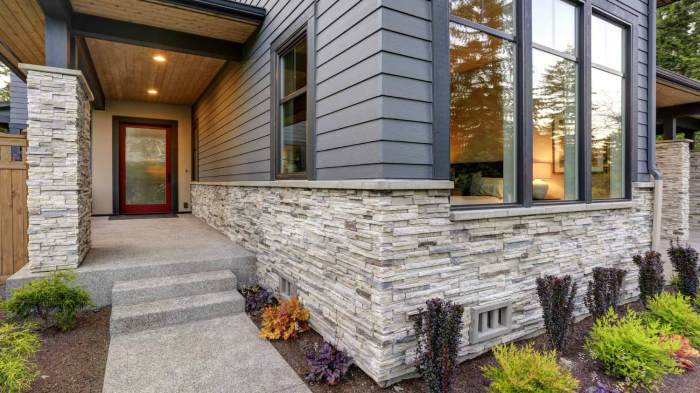
In Europe, exterior siding trends are influenced by a combination of historical, cultural, and environmental factors. Let's explore the common siding materials used in Europe and how they compare to those in the US.
Common Exterior Siding Materials
In Europe, common exterior siding materials include brick, stone, stucco, wood, and fiber cement. These materials are often chosen for their durability, aesthetic appeal, and ability to withstand varying weather conditions. In contrast, the US tends to favor vinyl, wood, fiber cement, and metal siding options.
While some materials overlap between the two regions, the popularity of certain siding materials can vary significantly.
Cultural and Historical Influences
European exterior siding trends are often influenced by the region's rich architectural history and cultural heritage. Traditional European homes often feature materials like brick and stone, reflecting the historical construction methods used in different countries. In contrast, the US has a more diverse architectural landscape, leading to a wider range of siding materials and styles being used.
Sustainability Trends
Sustainability is a growing concern in Europe, leading to an increased demand for eco-friendly exterior siding options. Materials like wood sourced from sustainable forests, fiber cement made from recycled materials, and natural stone are popular choices due to their low environmental impact.
In the US, sustainability trends are also gaining traction, with an emphasis on energy-efficient siding materials and eco-friendly manufacturing processes
Design and Color Trends
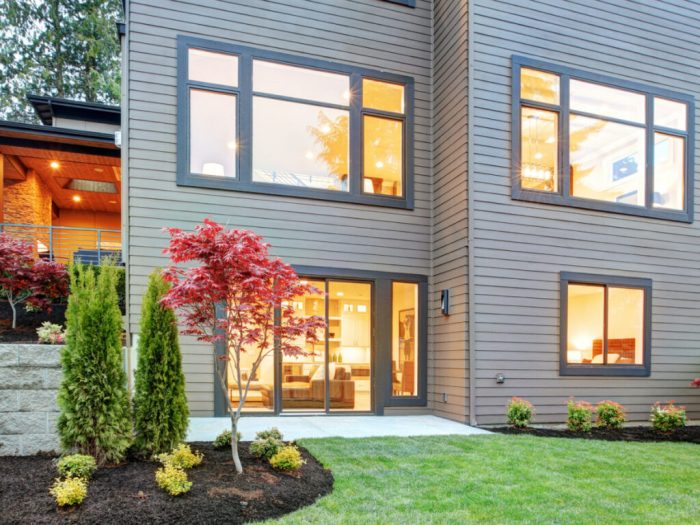
In the world of exterior siding, design and color trends play a crucial role in enhancing the overall aesthetic appeal of a building. Let's delve into the current design and color trends in exterior siding for both the US and Europe.
Design Trends
- Modern Minimalism: Clean lines, sleek finishes, and minimalistic designs continue to be popular choices in both the US and Europe.
- Rustic Charm: Weathered wood and reclaimed materials are gaining traction, adding a touch of rustic charm to exterior siding options.
- Architectural Accents: Unique architectural details such as board and batten, shiplap, or geometric patterns are being incorporated to create visual interest.
Color Trends
- Neutral Tones: Shades of gray, beige, and white remain timeless choices, offering versatility and a classic look.
- Earthy Hues: Warm earthy tones like terracotta, olive green, and navy blue are making a comeback, adding depth and richness to exterior siding.
- Bold Statements: Bold colors such as deep red, charcoal black, and forest green are being used to make a statement and add personality to the exterior of buildings.
Architectural Styles Influence
Architecture plays a significant role in determining the color and design choices for exterior siding. For example, traditional colonial homes often feature neutral tones and classic designs, while modern architectural styles may incorporate bold colors and minimalist finishes to complement the sleek lines of the building.
Technology and Innovation
Technology has played a significant role in shaping the landscape of exterior siding materials, with constant innovations pushing the boundaries of design and functionality.
Advanced Materials
Modern exterior siding products are incorporating advanced materials that offer enhanced durability, weather resistance, and sustainability. Materials such as fiber cement, engineered wood, and composite panels are gaining popularity due to their longevity and low maintenance requirements.
Smart Technology Integration
Smart technology integration is revolutionizing exterior siding trends by introducing features like energy-efficient coatings, self-cleaning properties, and even interactive surfaces. Some innovative siding products now come equipped with sensors that can adjust color or texture based on environmental conditions, providing both aesthetic appeal and practical benefits.
Final Wrap-Up
In conclusion, the discussion on exterior siding trends in the US and Europe highlights the diversity in choices, cultural influences, and the role of technology in shaping the future of siding materials. Stay informed and inspired by these trends as you consider options for your own exterior projects.
Quick FAQs
What are some popular types of exterior siding materials in the US?
In the US, popular siding materials include vinyl, fiber cement, wood, and metal.
How do climate variations impact the choice of siding materials in the US?
Climate variations influence siding choices, with materials like fiber cement being more resistant to harsh weather conditions.
What are some common exterior siding materials used in Europe compared to the US?
While vinyl and fiber cement are popular in the US, Europe commonly uses materials like brick, stucco, and timber.
How do architectural styles influence color and design choices in exterior siding?
Architectural styles play a significant role in determining color and design preferences, with modern styles often favoring sleek finishes.
How is technology influencing the development of new siding materials?
Technology has led to the creation of innovative materials that offer enhanced durability and sustainability in exterior siding products.

